The phrase " to entertainment and media content " refers to the broad spectrum of digital and physical works—ranging from streaming videos and social media clips to journalism and film—that are designed to engage, inform, and amuse an audience.
Below is a blog post exploring how this content is evolving in a digital-first world.
More Than Just a Click: The Evolving World of Media and Entertainment Content
In today’s landscape, "content" is a buzzword that covers everything from a 15-second viral dance to a multi-million dollar cinematic epic. But when we talk about moving to entertainment and media content
as a primary source of connection, what are we actually seeing? We are witnessing a shift from passive consumption to active participation. The New Content Mix Media and Entertainment Industry
no longer lives in silos. Traditional boundaries are blurring: Streaming Giants & Social Trends : Platforms like
now look to social media trends to greenlight new series, while creators on use cinematic techniques to build loyal fanbases. The Rise of "Social Entertainment"
: It’s not just about watching; it’s about sharing. Content today is designed to be remixed, commented on, and reacted to in real-time. Gaming as the New Cinema
: Video games have become a dominant form of media content, offering storytelling depth that rivals—and sometimes exceeds—traditional film. Why We Can’t Look Away
Why does this specific type of content hold so much power over our daily lives? According to studies in Applied Entertainment , well-crafted media content serves three vital functions: Relaxation & Arousal Free Porn Videos To Download
: It helps us decompress or get energized depending on our mood. Cultural Mirroring : It shapes societal norms and values , giving us a shared language to discuss complex issues. Social Connection
: Even when we watch alone, we are part of a global conversation. The Future: From Content to Experience As we look ahead, the transition to entertainment and media content will be driven by technology. AI-generated content
, virtual reality "metaverses," and interactive "choose your own adventure" narratives are turning viewers into players.
The message is clear: Content is no longer something you just look at—it’s something you live in. Are you looking to create a specific content strategy for your brand, or do you need a deeper dive
into a particular media niche like streaming or social media? Impact of Social Media On the Entertainment Industry | ICUC
The entertainment and media industry in 2026 is shifting toward personalization monetization through fandom
. As consumers move away from traditional "lean-back" TV toward interactive platforms, companies are implementing features that blend content with community and technology. Core Industry Trends for 2026 Frictionless Experiences
: Major shifts involve integrating direct-to-consumer (DTC) services directly into TV provider interfaces to reduce content fragmentation. AI-Powered Personalization : Beyond basic algorithms, AI now offers mood-matched recommendations synthetic content
(generative video and celebrities) tailored to individual viewers. The Experience Economy The phrase " to entertainment and media content
: There is a surge in "location-based entertainment," where digital franchises (movies/TV) are brought to life through theme parks, immersive districts, and virtual reality concerts. Monetizing Fandom
: Platforms are integrating shopping, exclusive fan forums, and creator tools directly into the viewing environment to increase "time spent" and reduce user churn. Key Content Features by Medium Media and entertainment outlook | Deloitte Insights
The Evolution of Modern Leisure: A Deep Dive Into Entertainment and Media Content
In the digital age, the phrase "to entertainment and media content" describes more than just a pastime—it defines a massive global infrastructure that dictates how we consume information, connect with others, and relax. From the rise of short-form video to the integration of artificial intelligence, the landscape of what we watch, read, and listen to is shifting at a breakneck pace. The Shift from Passive Consumption to Active Engagement
Historically, media consumption was a linear, one-way street. Families sat around a radio or television at a set time to receive broadcasted information. Today, "to entertainment and media content" implies a bidirectional relationship.
Platforms like TikTok, YouTube, and Twitch have blurred the lines between the creator and the audience. Users are no longer just viewers; they are participants who influence content through real-time comments, shares, and their own derivative creations. This democratization means that a viral moment can come from a professional studio in Hollywood or a bedroom in Jakarta with equal ease. The Streaming Wars and the Paradox of Choice
We have entered an era of "peak content." With dozens of major streaming services—Netflix, Disney+, HBO Max, and Amazon Prime, to name a few—the sheer volume of available media is staggering.
While this provides unprecedented variety, it has also led to "subscription fatigue" and the "paradox of choice." Consumers often spend more time scrolling through menus than actually engaging with the content. To combat this, platforms are leaning heavily into AI-driven recommendation engines. These algorithms analyze viewing habits to predict what will keep a user "hooked," making the discovery process more personalized than ever. Digital Trends Shaping the Future Several key pillars are currently redefining the industry:
Short-Form Dominance: The success of Reels and TikTok has proven that the modern attention span craves high-impact, bite-sized content. This has forced traditional media outlets to rethink their delivery strategies. blockchain-based platforms (Audius for music
Immersive Technology: Virtual Reality (VR) and Augmented Reality (AR) are moving beyond gaming. We are seeing the rise of "immersive journalism" and virtual concerts, where the boundary between the physical and digital world disappears.
The Creator Economy: Independent creators are now recognized as media entities in their own right. Through platforms like Patreon and Substack, creators can monetize niche audiences directly, bypassing traditional gatekeepers. The Role of AI in Content Creation
Perhaps the most significant disruption in the sector is Generative AI. Tools that can generate scripts, music, and even photorealistic video are changing the economics of production. While this raises ethical questions regarding copyright and "the human touch," it also allows for hyper-personalized content—stories that could potentially change based on the viewer’s preferences or mood. Conclusion
The journey "to entertainment and media content" is becoming more immersive, fragmented, and personalized. As technology continues to evolve, the focus remains on the core of human experience: storytelling. Whether through a 15-second clip or a 10-hour cinematic epic, media remains our primary window into the world and each other.
While still nascent, blockchain-based platforms (Audius for music, Mirror for writing) offer a radical alternative. Here, the route to content is token-gated. Ownership and access are merged. To get to a piece of media, you must hold a key—a social act as much as a financial one.
If you are a creator—a writer, filmmaker, podcaster, or musician—your primary job is no longer just making the thing. Your job is engineering the journey to the thing.
In a world of infinite noise, the creator must become a lighthouse. This requires three distinct strategies:
The pathways to entertainment and media content have consolidated into four primary architectures. Understanding each is crucial for creators and consumers alike.
 Arming Devices
 Communication Devices
 Control Panels
 Detectors & Sensors
 Expanders
 Legacy Products
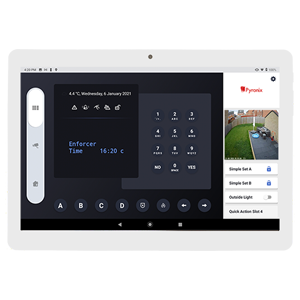 Smart Home Devices
 Software & Services
 Sounders & Bells
 Speech Diallers
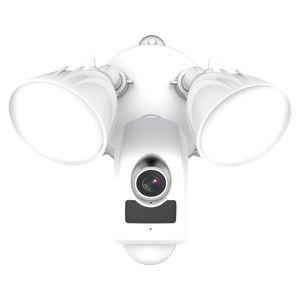 Wi-Fi Cameras